Research Interest
Climate Change & Resilience;
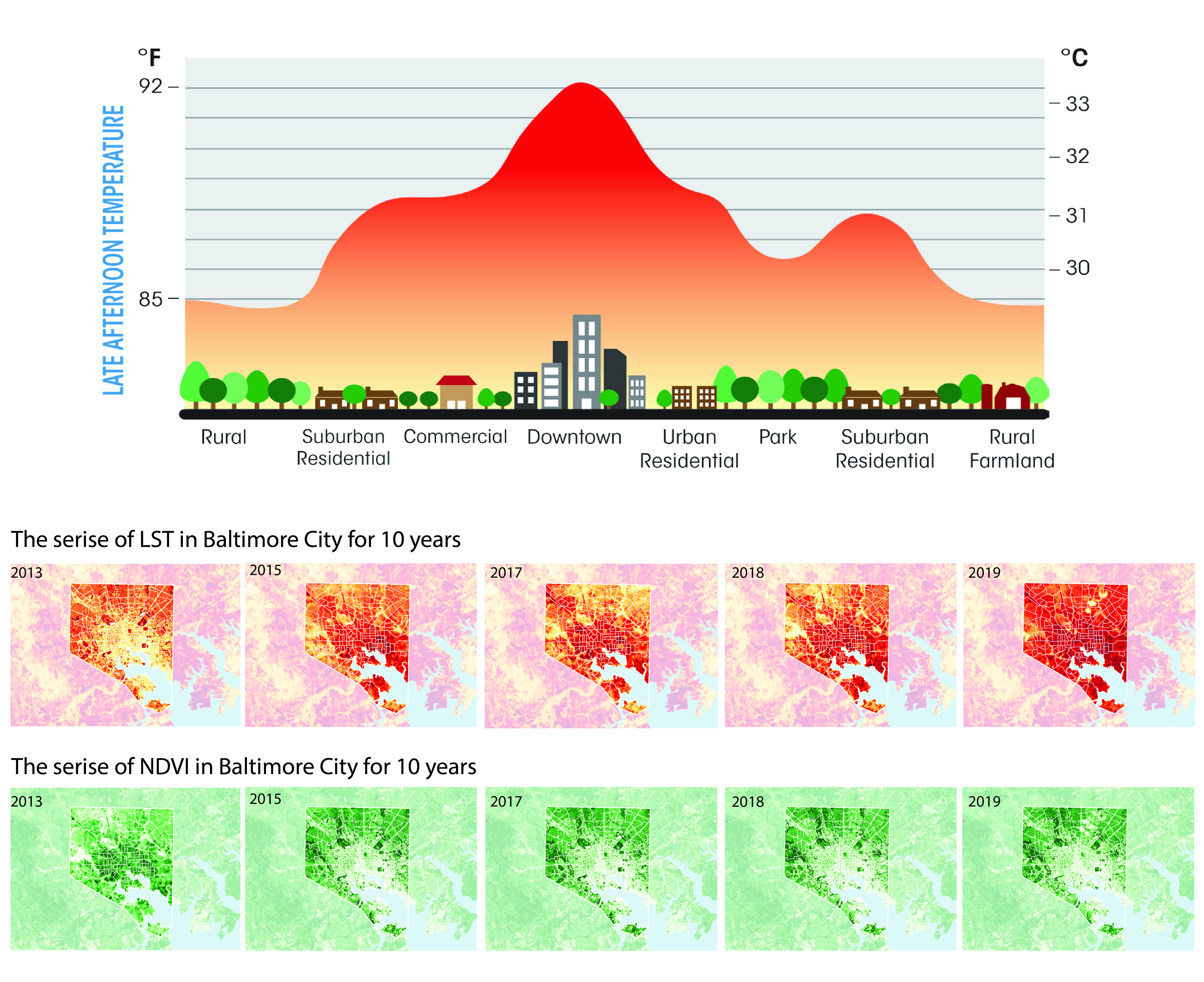
Microclimate Modeling & Thermal Comfort;
Community Health & Active Living;
Nature-Based Solutions & Ecological Footprint;
Remote Sensing; Hybrid Physics–AI Modeling
Lifecycle Assessment & Ecological Cost Evaluation
ENVI-MET; Urban Environmental Simulation
Background
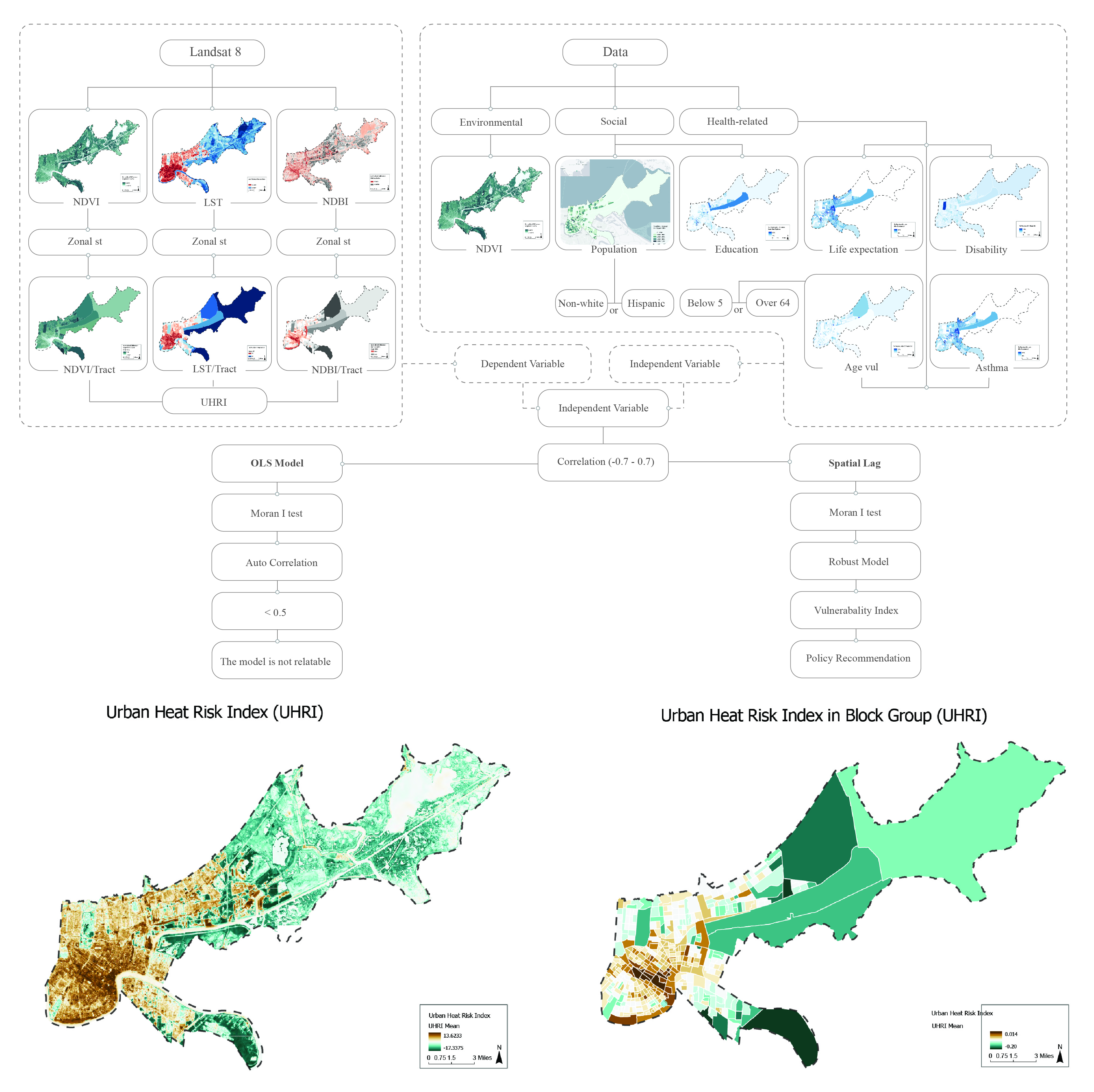
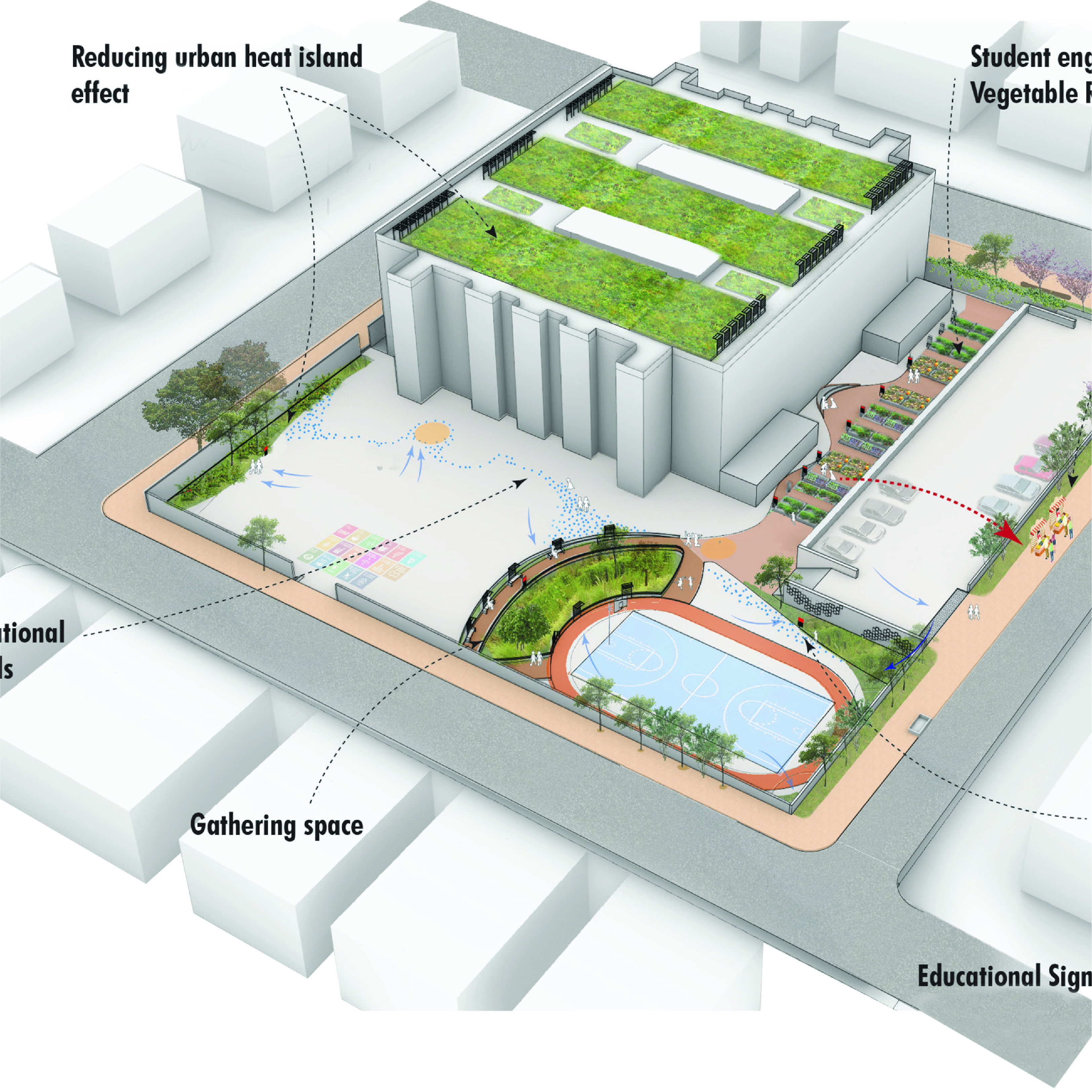
My research focuses on the design and evaluation of climate-adaptive urban environments through the integration of microclimate modeling, Geo-AI, nature-based solutions, and environmental performance analytics. I develop hybrid physics–AI frameworks that link outdoor thermal comfort, active living, public health, and equity with ecological and carbon footprint assessment, positioning urban design as a measurable environmental and health intervention.
My work advances data-driven planning and design strategies that use spatial modeling and environmental simulation to shape human behavior, reduce heat vulnerability, lower ecological and carbon impacts, and support the creation of equitable, resilient, and low-carbon urban systems under climate change.
Mission
My expertise lies in integrating physics-based environmental simulation, and geospatial analytics to investigate the complex interactions between human behavior, urban form, and natural systems under climate change. This work aims to generate both scientific knowledge and applied design frameworks for shaping climate-adaptive, low-carbon, and ecologically efficient communities.
My goal is to promote enviornmental sustainability through resilient design.